The last thing any workplace wants to deal with is a pest infestation, but how do you identify one? Common pests in New Zealand include insects such as cockroaches and rodents like mice. There are plenty of preventative measures you can take to help keep them away, but in a pest emergency, it can be worth engaging the help of commercial pest control.
Read on to learn the common signs of pests in offices and what to do when confronted by signs of infestation.
How to spot signs of pests
Insects
Insects like cockroaches or ants are among the most common office pests. Signs they may have taken residence at your business include:
- Ant trails: Ants use pheromones to leave a trail that the rest of the hive can follow. Ant lines and pathways are key indicators of a larger infestation.
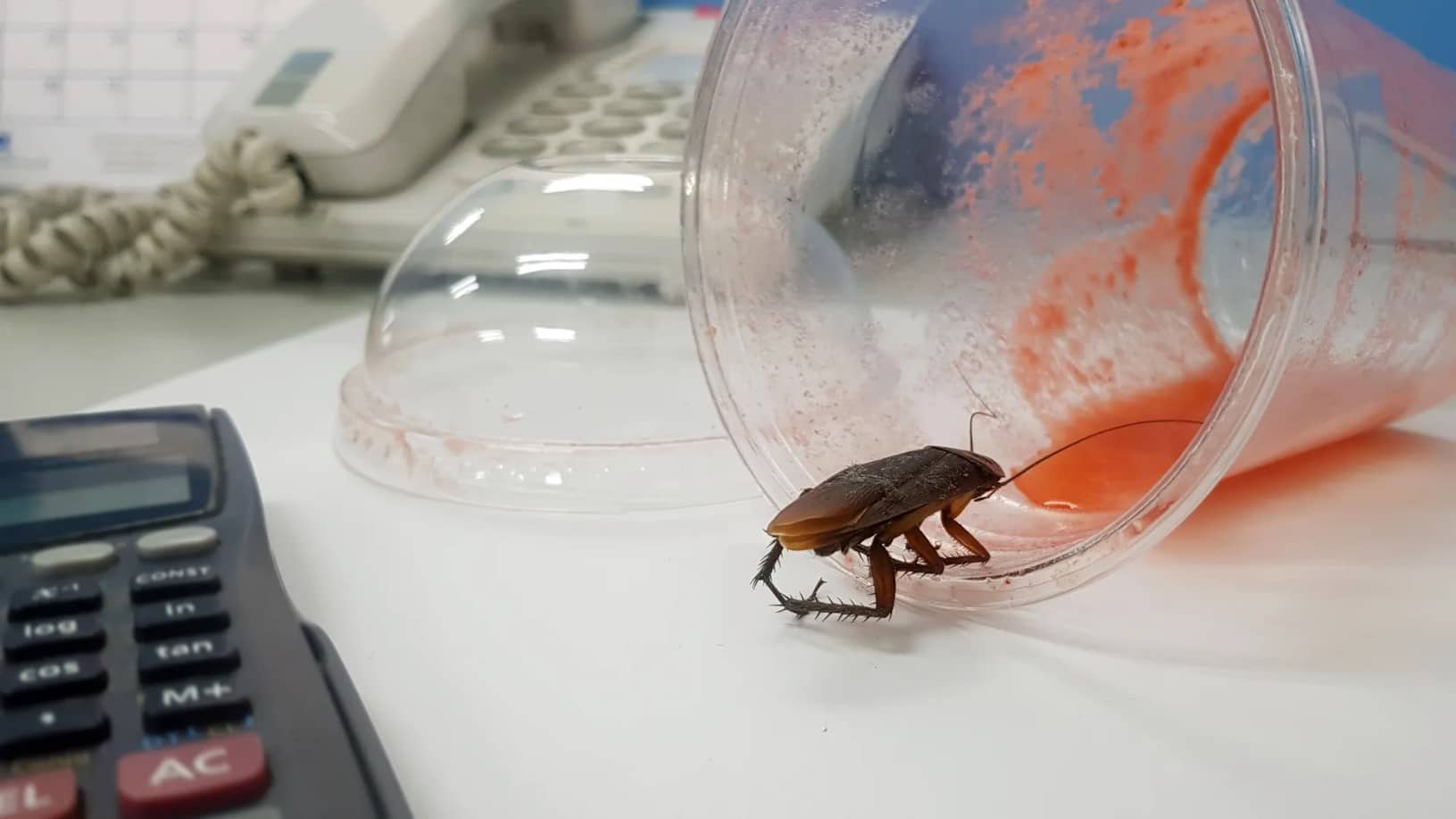
- Live cockroaches: One of the most classic signs of cockroaches is seeing one scuttle around in dark spaces. Dead cockroaches can also suggest an ongoing pest problem.
- Fly clusters: One or two flies around waste containers or the kitchen aren't unusual in the warmer seasons, but a cluster can indicate an infestation.
- Damage to plants or stored food: Some insects target food sources, leaving tiny bite marks or small holes in packages.
Rodents
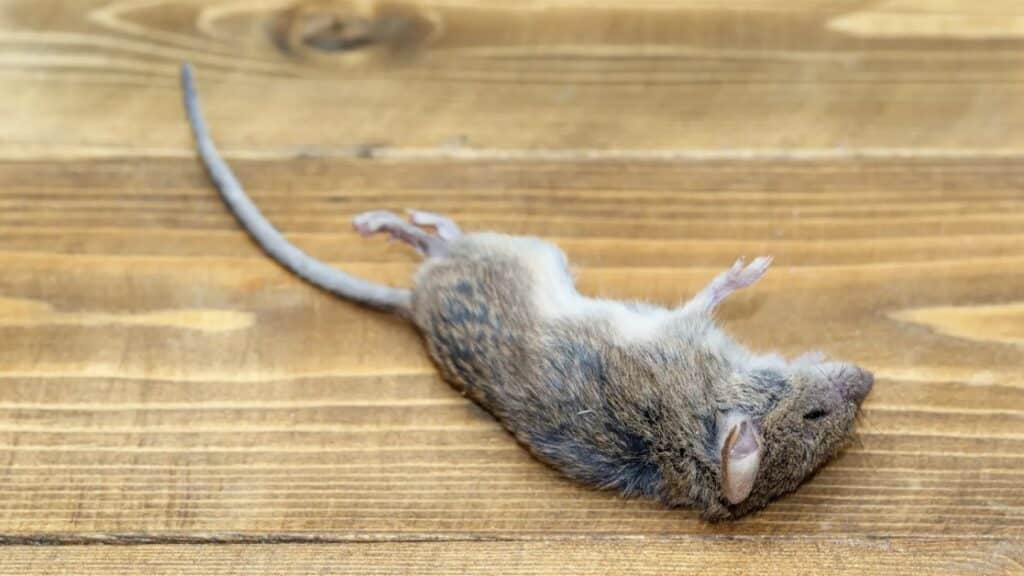
Rats and mice are other common workplace pests found everywhere from warehouses to offices. Signs to watch for include:
- Droppings: Each species leaves droppings of a distinct size and shape. Pay special attention to areas around walls and food sources.
- Unusual noises: Squeaks, scurrying sounds, and biting sounds are useful indicators when paired with other signs.
- Physical marks: These include grease marks that rats leave behind as they move around, as well as gnaw marks on building materials or wiring.
- Nesting materials: Rodents will often gather shredded paper, fabric, or insulation to build nests. Finding small piles of these materials can signal an infestation.
Preventative measures your business can take
- Promote everyday cleanliness: Simple hygiene routines can make a big difference. Wipe down and sanitise areas with food, keep storage areas organised, and tidy up as you go.
- Prioritise proper waste management: Ensure all bins are tightly sealed and regularly emptied.
- Implement employee education: Train staff to recognise signs of pest activity and uphold hygiene standards to stay ahead of potential infestation.
DIY vs professional solutions: When to call the experts
When DIY pest control can work
DIY methods could be suitable for situations such as minor ant infestations or irregular fly problems. Quick fixes and off-the-shelf solutions may help, but they often allow issues to resurface.
When to use professional pest control
We recommend contacting a professional when you run into rodent sightings, cockroach infestations, pests in food storage or preparation areas, repeat infestations, or damage to products or supplies.
Benefits of professional pest control
- Comprehensive and safe treatments: Professionals have access to specialised equipment and products that are more effective and deployed safely.
- Experience and expertise: Professionals can accurately identify signs of pests, develop solutions, and choose the right tools for the job.
- Peace of mind: Professional cleaning companies provide thorough inspections and effective solutions, relieving you and your team from the pressure of handling it alone.
- Cost and time savings: Professional services offer a long-term solution by thoroughly eliminating pests and preventing their return.
- Customised solutions: Every business has unique needs, and professional pest control companies tailor their approach to your workplace.
Let a professional service take care of your pest problem
If you've spotted any signs of pests, or if they keep coming back, it's time to call in the experts at HQ Clean. Our team specialises in thorough pest control solutions and offers practical guidance on maintaining a clean, pest-resistant workspace. Reach out to HQ Clean today and let us handle the pests so you can focus on what matters most.